
Buying Tips, and What To Look For
Best Used Full-Size Trucks Guide: Top Picks, Buying Tips, and What To Look For
Shopping for the best used full-size trucks means balancing power, capability, comfort, and long term value. This guide breaks down what matters most for half ton pickups like Ford F-150, Chevrolet Silverado 1500, Ram 1500, Toyota Tundra, and GMC Sierra 1500. Learn how to choose the right cab and bed combo, compare engine options for towing and payload, and spot features that make daily driving easier and safer. We also cover reliability considerations, budget planning, and how to evaluate mileage and maintenance history. When you are ready to browse options, you can review current choices on our Used Inventory and explore helpful comparisons on Best Used Trucks. For ownership planning, see tools like Value My Trade and Payment Options. Use this page as your starting point to understand what separates the strongest used full-size pickups from the pack.
Full-size trucks are built to handle workweeks and weekends, with strong frames, roomy cabins, and versatile beds. Our dealership focuses on trucks that pass a thorough inspection and offer long term confidence. For more background on our team and process, visit About Us, find a nearby showroom on Locations, or learn how we maintain vehicles on Schedule Service. Research more buying insights on How To Buy A Used Car and Used Car Buying Checklist.
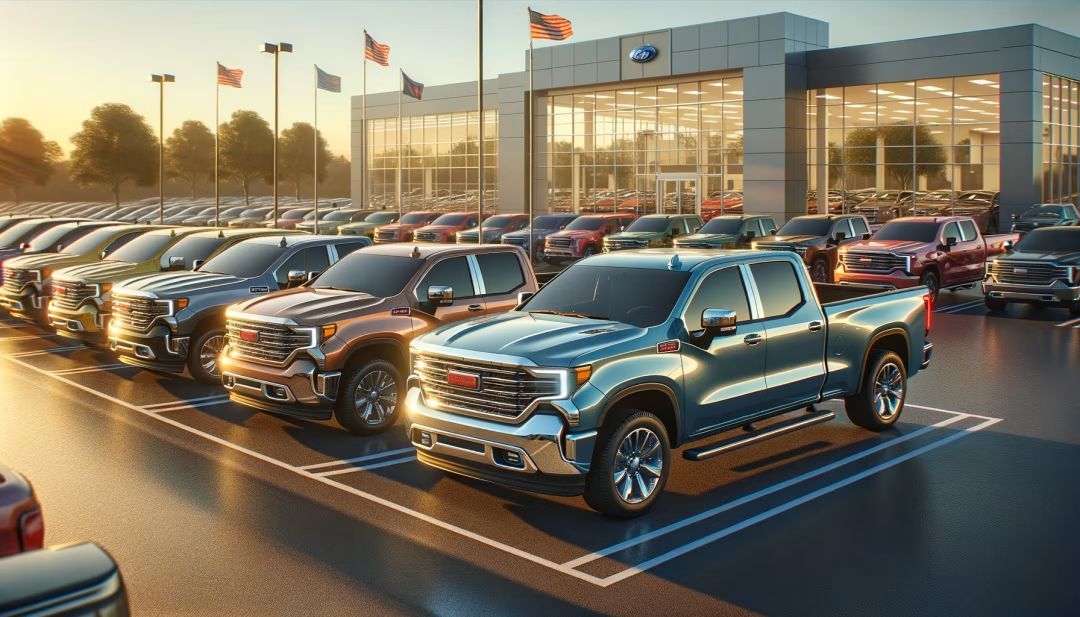
What Makes a Full-Size Truck the Right Fit
Full-size trucks, often called half ton pickups, excel at towing, hauling, and highway comfort. Compared with midsize pickups, full-size models provide wider cabins, stronger frames, higher payload ratings, and more robust powertrains. If you tow campers or boats, carry gear for contracting or landscaping, or want a family friendly vehicle with commanding visibility, a full-size truck is a smart match. Typical configurations include rear wheel drive or four wheel drive, multiple cab sizes, and bed lengths from about 5.5 feet to 8 feet. Properly equipped half ton trucks can often tow in the 7,000 to 13,000 pound range, while still offering modern technology, advanced driver assistance, and quiet cabins for daily commuting.
Top Used Full-Size Trucks to Consider
Most shoppers begin with proven names known for parts availability, strong resale, and widely available service expertise. These standouts consistently rise to the top:
- Ford F-150: Broad engine choices, comfortable ride, large aftermarket support, and strong towing when properly configured.
- Chevrolet Silverado 1500: Balanced power and comfort, easy to service, and available in many trims and bed combinations.
- Ram 1500: Known for a smooth ride, upscale interiors, and V8 power that makes towing more relaxed.
- Toyota Tundra: Simple, proven V8 powertrains, reputation for long term reliability, and robust frames and components.
- GMC Sierra 1500: Similar capability to Silverado with premium touches in upper trims and a refined highway feel.
To see how these trucks compare with other categories, explore Best Used Midsize Trucks, Best Used Vehicles For Towing, and Best Used Full Size SUVs.
Engines, Towing, and Payload Basics
Choosing the right engine and axle ratio is central to getting the most from a used full-size truck. Gasoline V8 engines are common for hauling, though many modern V6 turbo engines deliver strong torque at lower rpm, which helps with confident towing. Some models offer high efficiency turbo diesels in select years, combining low end torque with improved fuel economy. Properly equipped half ton trucks commonly achieve tow ratings between roughly 7,000 and 13,000 pounds. Payload capacity can range from about 1,400 to over 2,000 pounds depending on cab, bed, drivetrain, suspension package, and tires. Look for factory towing packages that add a transmission cooler, integrated trailer brake controller, hitch receiver, wiring harness, and often upgraded rear gearing. For shoppers focused on fuel savings, review our guide to Used Trucks With Best Fuel Economy.
Cab and Bed Configurations Explained
Cab choices include regular cab, extended cab, and crew cab, each with tradeoffs. Regular cabs place cargo first and maximize bed length while keeping the overall truck shorter and lighter. Extended cabs add rear seating for occasional passengers and extra interior storage. Crew cabs prioritize a roomy second row for families, work crews, or pets. Bed lengths typically run from short to long, roughly 5.5 to 6.5 to 8 feet. Longer beds help with hauling lumber, equipment, and dirt bikes, while shorter beds improve parking and maneuverability. Match cab and bed to your daily needs and garage space. If you plan frequent towing, confirm that the cab and bed you prefer can be paired with your desired engine and axle ratio to meet tow and payload targets.
Feature Priorities for Daily Use
Comfort and technology can transform long days in a truck. Features like supportive seats, dual zone climate control, heated functions, and quiet cabins matter on commutes and road trips. A modern infotainment system with smartphone integration is also a strong value add. If that matters to you, check out Best Used Cars With Apple CarPlay and Best Used Cars With Android Auto. For safety and convenience, look for driver assistance features such as blind spot monitoring, rear cross traffic alert, adaptive cruise control, lane keeping support, and automatic emergency braking. A standard or upgraded backup camera is helpful for trailer hook ups, tight job sites, and urban parking. Explore more safety focused picks at Safest Used Trucks and Used Cars With Best Crash Test Ratings.
Reliability Insights and What To Inspect
Reliability begins with maintenance history and a careful inspection. Service records that show timely oil changes, coolant and transmission fluid services, and differential service are strong signals. During an in person look, examine frame rails and suspension mounting points for rust. Check bed supports, cab corners, and rockers for corrosion. Inspect the hitch area and wiring for proper installation. Look for even tire wear, smooth shifting, firm and quiet braking, and a 4x4 system that engages without delay or noise. Confirm that all doors, tailgate, window switches, and infotainment functions operate correctly. If you want a structured process, use our Used Car Inspection Checklist and Used Car Buying Checklist, and learn how to verify history on How To Check Used Car History.
For brand and model dependability research, visit Most Reliable Used Trucks and drill down by automaker on pages like Most Reliable Used Ford Models and Most Reliable Used Chevrolet Models.
Mileage, Age, and Budget Planning
Trucks are often used for both work and family life, so mileage alone does not define condition. A well kept truck with highway miles and regular maintenance can be a better choice than a lower mile truck with spotty records. Many full-size trucks can comfortably exceed 200,000 miles with proper care. If budget is the primary concern, you can research value picks on Best Used Trucks Under 20000. For understanding financing and payments, see How To Finance A Used Car, Payment Options, and pre approval info on Applications. If you are comparing cash, loan, or lease style choices, read Should You Buy Or Finance A Used Car and Leasing Vs Buying A Used Car.
Work, Towing, and Recreation Use Cases
Define your typical week and the heaviest load you expect. If your truck will live on job sites, emphasize payload, bed utility, rubber floor coverings, and durable seat materials. For frequent towing, prioritize torque rich engines, factory tow packages, integrated brake controllers, extendable mirrors, and a stable chassis setup. If your truck is primarily a family or weekend adventure vehicle, a crew cab with comfort features and 4x4 capability will likely serve best. For task specific picks, explore Best Used Trucks For Work, Best Used Vehicles For Towing, Best Used Trucks For Off Roading, and Best Used Vehicles For Hauling.
Ownership Costs and Fuel Economy
Half ton trucks offer a wide spread of fuel economy depending on engine, drivetrain, and aero or tire packages. Real world combined numbers can range roughly from the mid teens to low twenties miles per gallon. Newer turbocharged gas engines and select diesel options may stretch that further in highway conditions. Ownership costs also include tires, brakes, fluids, and insurance. To plan long term budgets, consult Used Cars With Lowest Cost Of Ownership, Used Cars With Lowest Maintenance Costs, and fuel friendly options on Used Trucks With Best Fuel Economy.
Trade In and Resale Considerations
Resale strength is a big reason full-size trucks remain so popular. Trucks with clean history, service documentation, and desirable packages hold value well. If you are planning to replace your current vehicle, estimate market value on Value My Trade and read our Used Car Trade In Guide. Reviewing historical price trends can also help set expectations. For broader market insights, explore Used Car Market Trends and Used Car Price Trends.
Midsize vs Full-Size and Other Alternatives
If you rarely tow heavy and prioritize maneuverability and parking ease, a midsize may be a better fit. For families who desire three rows and secure cargo space, consider a full-size SUV. Learn more at Truck Vs SUV Used Vehicles, compare pickups on Best Used Midsize Trucks, and evaluate large SUV options at Best Used Full Size SUVs.
Why Buy Your Used Full-Size Truck From Us
Our process focuses on clarity and quality. Inventory is examined by trained technicians, vehicle history is reviewed, and any open items are addressed before listing. We provide straightforward pricing, financing tools, and resources that help you make confident decisions. Learn more about our team on Meet Our Staff and our values on About Us. For policy transparency, see Terms, Visitor Agreement, and Privacy Policy. When you are ready to see what is available today, visit Used Inventory and our reference list of prior sales on Sold Inventory.
Helpful Buyer Resources
Best Used Full-Size Trucks FAQs
Office Hours
Monday
Tuesday
Wednesday
Thursday
Friday
Saturday
9:00 am - 5:00 pm
9:00 am - 5:00 pm
9:00 am - 5:00 pm
9:00 am - 5:00 pm
9:00 am - 5:00 pm
Closed
